
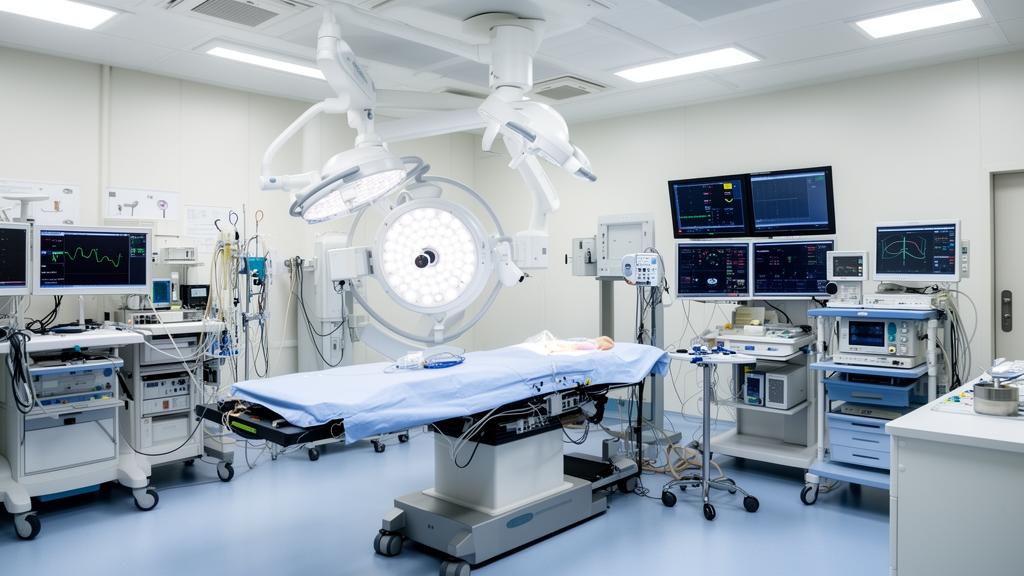
Your cath lab is your highest-revenue and most mission-critical imaging system. Choosing the wrong service provider can cost you hundreds of thousands in downtime. Here's how to make the right choice.
Why Cath Lab Service Decisions Matter More
Cath labs aren't just expensive diagnostic equipment — they're revenue centers. A typical cardiac catheterization lab generates $2,000–$10,000 per procedure, with busy labs performing 1,000+ procedures per year. When your cath lab goes down, you're losing both revenue and the ability to treat patients who may be experiencing cardiac emergencies.
This makes cath lab service provider selection one of the most consequential decisions a hospital can make. The right provider ensures maximum uptime at manageable cost. The wrong choice can lead to extended downtime, budget overruns, and compromised patient care.
Key Evaluation Criteria
When evaluating cath lab service providers, assess these critical factors: (1) Interventional-specific experience — cath labs require specialized expertise beyond general imaging service. Ask about the number of cath lab systems currently under contract and years of interventional experience.
(2) Flat-panel detector capability — FPD issues are the most expensive cath lab failures. Providers who can repair (not just replace) flat-panel detectors save you $80,000–$150,000 per incident. (3) Response time commitments — cath labs require faster response than diagnostic equipment. Look for 4-hour remote response and 24–48 hour on-site response for critical issues.
(4) Multi-vendor expertise — if you have Siemens Artis in one lab and Philips Allura in another, a multi-vendor provider eliminates the need for separate contracts. (5) Regional presence — cath lab emergencies require fast on-site response. Verify the provider has engineers within reasonable travel distance of your facility.
Questions to Ask Potential Providers
Before signing a cath lab service contract, ask: How many cath lab systems do you currently service? What manufacturer certifications do your engineers hold? Can you repair flat-panel detectors, or only replace them? What is your average response time for cath lab emergencies? Do you maintain cath lab parts inventory, including tubes and FPDs? Can you provide references from cath labs in my region? What are your uptime guarantees for interventional systems? Do you support both single-plane and biplane configurations?
OEM vs Third-Party for Cath Labs
The OEM vs third-party decision is particularly nuanced for cath labs. OEM advantages include: guaranteed access to the latest software updates, factory-direct parts, and brand-specific expertise. However, OEM contracts for cath labs often cost $200,000–$350,000/year with limited flexibility.
Third-party advantages include: 30–40% cost savings, multi-vendor flexibility, and often more responsive service for developing market locations where OEM presence is limited. Elesonic's cath lab service team combines specialized interventional expertise with developing-market pricing and presence.
For hospitals in Africa and the Caribbean, where OEM cath lab service response times can extend to weeks, a qualified third-party provider with regional presence is often the clearly superior choice.
Making the Transition
If you're transitioning from OEM to third-party cath lab service: (1) Time the switch to coincide with OEM contract expiration. (2) Request a comprehensive system assessment from the new provider before contract signing. (3) Ensure a transition period where both providers are available. (4) Verify parts inventory — the new provider should have critical cath lab parts pre-positioned. (5) Confirm emergency protocols — cath lab emergencies need clearly defined escalation procedures.
Elesonic provides smooth transition support including pre-contract system assessments, parts positioning, and dedicated cath lab engineering teams for all new service contracts.